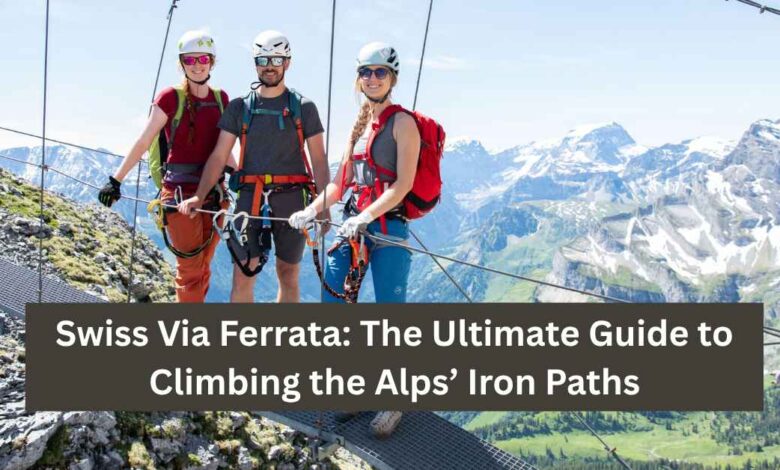
Switzerland isn’t just about chocolates, watches, and scenic train rides it’s also a paradise for thrill-seekers. The Swiss Via Ferrata (Italian for “iron path”) is a unique way to explore the majestic Swiss Alps. These protected climbing routes use fixed steel cables, ladders, and suspension bridges to let adventurers scale cliffs and peaks safely.
Whether you’re a beginner in Engelberg or a pro tackling the Eiger Rotstock, Switzerland offers routes for every level. From Bernese Oberland to Lucerne, every via ferrata route unveils jaw-dropping views and unforgettable adrenaline moments.
What Is a Via Ferrata?
A Via Ferrata is a climbing route equipped with metal rungs, cables, and ladders anchored into the rock. Climbers use a harness, helmet, and via ferrata set with carabiners to clip onto the steel cable ensuring safety even on exposed ledges.
Originating in Italy during World War I, this concept became a recreational sport embraced across Europe. Today, via ferrata Switzerland experiences attract thousands of adventure seekers every year known for their exceptional safety standards, diverse alpine landscapes, and accessibility to non-professional climbers.
Why Switzerland Is the Ultimate Destination for Via Ferrata Lovers
1. Alpine Diversity
Switzerland’s mountains from the Jungfrau to Mount Titlis offer routes ranging from beginner to extreme. You can climb past glacial waterfalls, cross rope bridges, or gaze across green valleys like Lauterbrunnen.
2. Accessibility
Most via ferratas are located near mountain towns like Mürren, Grindelwald, Engelberg, and Kandersteg all reachable via public transport or the Swiss Travel Pass.
3. World-Class Safety
The Swiss Alpine Club maintains high safety standards. Each route is graded by difficulty level (F for “Facile” to ED for “Extremely Difficult”) so climbers know what to expect.
Top 5 Swiss Via Ferrata Routes You Can’t Miss
Here are some of the most scenic and challenging routes across Switzerland each offering a unique alpine adventure.
1. Mürren–Gimmelwald Via Ferrata (Bernese Oberland)
- Location: Mürren, near Lauterbrunnen
- Difficulty: K3 (Intermediate)
- Length: 2.2 km
- Highlights: 80-meter-high suspension bridge, stunning views of the Eiger, Mönch, and Jungfrau peaks
This route combines breathtaking views and thrilling challenges. You’ll cross Nepal-style bridges, pass waterfalls, and finish near the peaceful village of Gimmelwald. It’s one of the most Instagram-famous via ferratas in Switzerland.
2. Fürenalp Via Ferrata (Engelberg)
- Location: Engelberg, near Lucerne
- Difficulty: K4–K5 (Challenging)
- Length: 2.5 km
- Best For: Experienced climbers
- Highlights: Sheer vertical rock face, alpine meadows, Engelberg valley views
Starting from Engelberg, the Fürenalp route offers steep ladders and impressive vertical climbs. The alpine scenery here feels almost untouched making it perfect for adventurers seeking solitude.
3. Allmenalp Via Ferrata (Kandersteg)
- Location: Kandersteg
- Difficulty: K3–K4 (Moderate)
- Highlights: Waterfall crossings, rock ledges, zip-line option
The Allmenalp Via Ferrata blends adventure with scenic beauty. You’ll climb beside cascading waterfalls and finish near the Allmenalp cable car station, which offers easy access back to town.
4. Eiger Rotstock Via Ferrata (Grindelwald)
- Location: Eiger North Face
- Difficulty: K4–K5
- Best For: Experienced mountaineers
- Highlights: Climb near the iconic Eiger, glacier views, high-altitude exposure
This is Switzerland’s most legendary via ferrata route. It leads climbers along the lower section of the Eiger North Face one of the most famous walls in mountaineering. The views of Grindelwald Glacier and surrounding peaks are mind-blowing.
5. Tälli Via Ferrata (Gadmen)
- Location: Gadmen, near Meiringen
- Difficulty: K3–K4
- Highlights: Long climbs, scenic ridges, 600-meter ascent
The Tälli route is one of Switzerland’s oldest via ferratas and remains a favorite for its variety ladders, bridges, and steep faces. The top offers a panoramic view of the Urbach Valley.
Essential Gear for a Swiss Via Ferrata Adventure
Before you clip in, make sure you’re properly equipped:
| Equipment | Purpose |
|---|---|
| Helmet | Protects from falling rocks |
| Harness | Keeps you secure to the cable |
| Via Ferrata Set | Includes Y-shaped lanyards with energy absorbers |
| Carabiners | Clips to steel cables |
| Gloves | Protect your hands from metal friction |
| Climbing Shoes | For better grip |
| Backpack | For snacks, water, and layers |
Tip: If you don’t own gear, you can rent full via ferrata kits in most towns like Interlaken or Engelberg.
Best Time to Try a Via Ferrata in Switzerland
The via ferrata season usually runs from May to October.
- May–June: Snow melts, routes open gradually.
- July–September: Best weather, stable conditions.
- October: Quieter but cooler great for crowd-free climbs.
Avoid winter months, as routes may close due to ice or snow.
How to Prepare (Physically & Mentally)
- Practice basic climbing and balance exercises.
- Learn to use via ferrata gear safely.
- Start with beginner routes like Mürren Gimmelwald or Allmenalp.
- Always check weather forecasts and route conditions.
Also Read: Switzerland National visa
Where to Stay: Best Basecamps for Via Ferrata Climbers
| Town | Nearby Via Ferratas | Vibe |
|---|---|---|
| Mürren | Mürren–Gimmelwald | Quiet mountain escape |
| Kandersteg | Allmenalp | Family-friendly adventure hub |
| Engelberg | Fürenalp | Classic alpine village |
| Grindelwald | Eiger Rotstock | Active mountaineering town |
| Interlaken | Multiple | Central base for adventure seekers |
Safety Tips Before You Go
- Always clip both carabiners to the steel cable.
- Never unclip both at once.
- Check your gear and harness fit before climbing.
- Avoid bad weather (lightning + metal = danger).
- Take a guided tour if unsure Swiss guides are highly experienced.
Photography & Scenic Highlights
For Instagram lovers and photographers:
- Fürenalp: Epic cliffside ladders
- Mürren: Nepal bridge over Lauterbrunnen Valley
- Eiger: Panoramic glacier backdrop
- Tälli: Sunrise over Urbach Valley
Conclusion:
The Swiss Via Ferrata is more than just a climb it’s a journey through Switzerland’s soul.
From icy waterfalls to hanging bridges, every route blends nature, adrenaline, and tranquility.
Whether you’re scaling Eiger’s cliffs or crossing Mürren’s suspension bridge, one thing’s certain: your heart will race, your camera will fill, and your memories will last a lifetime.
FAQs About Swiss Via Ferrata
Q1. What is a via ferrata?
A via ferrata is a secured climbing route using ladders and steel cables for safety.
Q2. Can beginners try via ferrata in Switzerland?
Yes! Routes like Mürren Gimmelwald and Allmenalp are perfect for first-timers.
Q3. Do I need my own equipment?
You can rent full gear kits in towns like Interlaken, Engelberg, and Grindelwald.